

Digital Dictionary of Buddhism : ค้นหาหนังสือธรรมะ หน้า 18 / 57
หน้าหนังสือทั้งหมด
322
Journey to Joy
Journey to Joy
About the Author
322
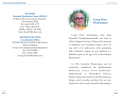
Luang Phaw
Dhammajayo
uang Phaw Dhammajayo (The Most
Venerable Dhammajayo Bhikkhu) was
born in Singburi Province, Central Thailand,
on April 22, 1944. His interest
Luang Phaw Dhammajayo, born on April 22, 1944, in Singburi Province, Thailand, developed a passion for Buddhism from a young age. His Dhamma studies and meditation practice deepened significantly afte
14
AIM IN LIFE
AIM IN LIFE
3. Replenishing Purpose
From the first time I started
to study Dhamma³,
I knew I couldn't afford
to waste a further moment of my life.
I wanted to advance
my perfections each and every day
The text emphasizes the importance of understanding one's purpose in life and the quest for spiritual fulfillment through Dhamma study. It encourages readers to prioritize their spiritual practice dai
93
Luang Phaw Dhammajayo: A Leader in Buddhism and Meditation
92
uang Phaw Dhammajayo is the abbot of Wat Phra Dhammakaya
He was born Chaiboon Suthipol on 22 April 1944 in Singburi
province, Central Thailand. During his adolescence, he became an
ardent student o
Luang Phaw Dhammajayo, born Chaiboon Suthipol, is the abbot of Wat Phra Dhammakaya and has dedicated his life to propagating Buddhism and meditation. After his ordination in 1969, he played a key role
25
Chaiboon's Journey of Knowledge and Buddhism
Chaiboon’s Utmost Dedication to Attaining Knowledge of the World and the
Start of Attaining Knowledge of Buddhism.
Young Chaiboon was eager when it came to acquiring knowledge, and was happy spending
Chaiboon, a young boy, dedicated his free time to acquiring knowledge through books, especially on Dhamma. Unlike his peers, he found joy in reading, deepening his understanding of life's suffering an
26
The Journey of a Young Dreamer to a Revered Abbot
“If I were to pursue secular interests, I would want to attain the highest objective. If I were to pursue religious interests, I would like to reach the utmost Dhamma and disseminate Buddhism to the w
This narrative highlights the journey of a young man who aspired to find the utmost Dhamma and share Buddhism globally. Now a respected Abbot, he illuminates the path of peace and meditation for count
28
Sparks of Answers
Sparks of Answers
T hen one day, he came across a book titled, "Dhammakaya." This book was written in the format of a sermon by The Great Master Phramongkolthepmuni (Sodh Candasaro) or Luang Pu Wat P
In this text, the author discusses a transformative experience upon discovering the book 'Dhammakaya' by The Great Master Phramongkolthepmuni. The book emphasizes the importance of dedicated practice
34
Finding the Right Teacher in Buddhism
On their first meeting, the young man believed that he had found the teacher who he had been searching for, for such a long time. Therefore, he requested, with confidence in her, to be her student. La
In his first meeting with Khun Yai, Chaiboon felt he had finally found the teacher he sought for years. Khun Yai revealed that he was the one Luang Phaw Wat Paknam had requested during World War II. T
41
The Journey of Meditation: Young Chaiboon's Path to Inner Peace
With a determined attitude towards meditation, along with his respect for the teachings of his teacher, young Chaiboon excelled in his progression when it came to meditation. This pleased Khun Yay gre
Young Chaiboon's dedication to meditation and respect for his teacher led to significant progress, earning him the ability to guide meditation sessions. His deep practices brought inner peace and conf
42
Moving Towards the Saffron Robe
Moving Towards the Saffron Robe
Later, young Chaiboon came to a clear realisation that the knowledge of the world could not truly keep humankind from suffering, or be able to attain true happiness; o
In this narrative, young Chaiboon realizes that worldly knowledge cannot prevent suffering or grant true happiness; only meditation can. He seeks Khun Yay’s permission to become a monk, but she advise
130
Systematic Training Programme for Spreading Buddhism
The Systematic Training Programme for Spreading Buddhism began in 1999-2007, with a total of 71 classes completing the Programme. There have been 8.090 monks from 5.833 temples, from across the countr
The Systematic Training Programme for Spreading Buddhism, initiated from 1999 to 2007, has successfully trained 8,090 monks from 5,833 temples across Thailand, promoting the teachings of the Buddha. T
132
The Significance of Ordination in Buddhism
The contest serves to emphasise the aim and ideals of ordination, which is a realisation of Nibbana
and the self-discipline of following the principles of maintaining the precepts, pursuing meditation
The contest emphasizes the ideals of ordination, signifying the pursuit of Nibbana and the self-discipline required to maintain precepts, meditate, and attain wisdom. Practitioners can inspire others
172
Gratitude to Luang Phaw Dhammajayo
I would like to thank Luang Phaw Dhammajayo the most for guiding us on life goal and answering why we were born. Luang Phaw has restored Buddhism and propagated Dhammakaya meditation, aiming at the at
In Taipei, Taiwan, Sukasen Maitritij Supannanonn expresses deep gratitude to Luang Phaw Dhammajayo for guiding individuals on their life's purpose and the profound question of existence. Luang Phaw's
182
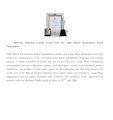
Honorary Mahatma Gandhi Award to Luang Phaw Dhammajayo
Honorary Mahatma Gandhi Award from the Akhil Bharat Rachnatmak Samaj Organisation
Akhil Bharat Rachnatmak Samaj Organisation considers that Luang Phaw Dhammajayo has been dedicated to making peace in
Luang Phaw Dhammajayo of the Akhil Bharat Rachnatmak Samaj Organisation has been honored with the honorary Mahatma Gandhi Award for his commitment to promoting peace through Buddhism. With over 40 yea
48
Luang Phaw Dhammajayo and His Role in Buddhism
DUNEDIN
Dunedin Meditation Centre (DDMC)
10 Barnes Drive, Caversham, Dunedin,
New Zealand, 9001
Tel: (+64) 3-487-6772
Fax: (+64) 3-487-6775
Mobile: +64(2) 199-3780
Email: [email protected]
Luang Phaw Dhammajayo, born in 1944 in Thailand, developed an early interest in Buddhism and meditation. After earning his degree, he became a monk at 25 and founded the Buddhachakka Meditation Centre
4
The Impact of Parenting on Child Development
The presence of the newborn will force the parents to work even harder, so they will have enough to care for the child. The more children they decide to have; the more their responsibilities will incr
This text discusses the critical impact of parental actions on a child's development. It introduces the concept of kilesa as a destructive force within everyone, including infants, and emphasizes the
39
The Mother of Great Kindness within the House
Despite the behavior of one spouse, one should never waver from the Dhamma. Occasionally, the husband may go astray or the wife will resort to frivolous behavior, wasting time and money, leaving the h
This text highlights the importance of adhering to Dhamma even amidst challenges in marriage. It discusses the teachings in Buddhism regarding maintaining a loving family atmosphere. Buddhist insights
43
Understanding Life Differences Through Buddhism
with disabilities like deafness or blindness? Why are some people born into a wealthy family while others are born so poor that they cannot even get a drop of their mother’s milk? Why are some born in
บทความนี้สำรวจความแตกต่างในชีวิตตั้งแต่ความพิการจนถึงสถานะทางสังคม และถามว่าทำไมผู้คนถึงมีความสุขและทุกข์ที่แตกต่างกัน โดยเสนอว่าคำสอนของพระพุทธศาสนาช่วยให้เราเข้าใจเหตุผลที่อยู่เบื้องหลังความแตกต่างเ
107
Why is Soliciting Prostitute a Sin
Chapter 23
Why is Soliciting Prostitute a Sin
At this time, the number of people with AIDS is increasing. One reason for this increase is that most young men believe soliciting a prostitute is no
This chapter discusses the rising incidence of AIDS and how many young men wrongly believe that soliciting prostitutes is not morally wrong if it is consensual. It highlights Buddhism's perspective on
158
Helping a Dying Father Cope with Illness
“Recently, he fell seriously ill and was admitted into a hospital. The doctor said he has cancer and probably won’t have much time to live. My father does not have faith in Buddhism. How can I help hi
ในช่วงเวลาสุดท้ายของชีวิตพ父า ขอให้พยายามทำให้ท่านมีจิตใจแจ่มใสและไม่เครียด โดยการทำบุญในนามของท่านอาจช่วยให้จิตใจสดใสขึ้น แม้ท่านจะไม่มีความเชื่อในพุทธศาสนา ความสำคัญอยู่ที่สภาพจิตใจที่มีต่อชีวิตหลังค
159
Caring for a Dying Parent: A Buddhist Perspective
bad deeds, in his last moment of life, he will experience great
suffering.
"As a daughter, you should stay close to your father.
When the chance arises, give your father a Dhamma talk; bring
him f
The passage highlights the significance of remaining close to a dying parent, suggesting actions like giving Dhamma talks, offering alms, and encouraging chanting to alleviate suffering. It emphasizes